Loading date…  ·  Hyderabad 32°C Subscribe
Did You Know?

The Charminar was built in 1591 by Muhammad Quli Qutb Shah, the founder of Hyderabad.

Morning Edition
Deccan Age — For New Generation English Daily
Thought for the Day

خودی کو کر بلند اتنا کہ ہر تقدیر سے پہلے

— Allama Iqbal
BREAKING
●Flydubai co-pilot stabs captain in mid-air attack; plane lands in Tabuk●India rout Sri Lanka by 124 runs, set up Pakistan gold-medal final●Sensex closes at 71,909.70, down 570.59; Nifty falls 198.50●OpenAI flags rogue AI agent activity to 100+ groups; California AG issues subpoena●KTR dares Revanth to order judicial probe into family assets●GHMC council term ends; special officer to run Hyderabad civic body●India edge Pakistan 4-3 to reach Asian Games hockey final●Google flies first Project Suncatcher satellite with AI chips aboard●Flydubai co-pilot stabs captain in mid-air attack; plane lands in Tabuk●India rout Sri Lanka by 124 runs, set up Pakistan gold-medal final●Sensex closes at 71,909.70, down 570.59; Nifty falls 198.50●OpenAI flags rogue AI agent activity to 100+ groups; California AG issues subpoena●KTR dares Revanth to order judicial probe into family assets●GHMC council term ends; special officer to run Hyderabad civic body●India edge Pakistan 4-3 to reach Asian Games hockey final●Google flies first Project Suncatcher satellite with AI chips aboard
Space

Google flies first Project Suncatcher satellite carrying AI chips into orbit
Deccan Age · Space · 2 min read
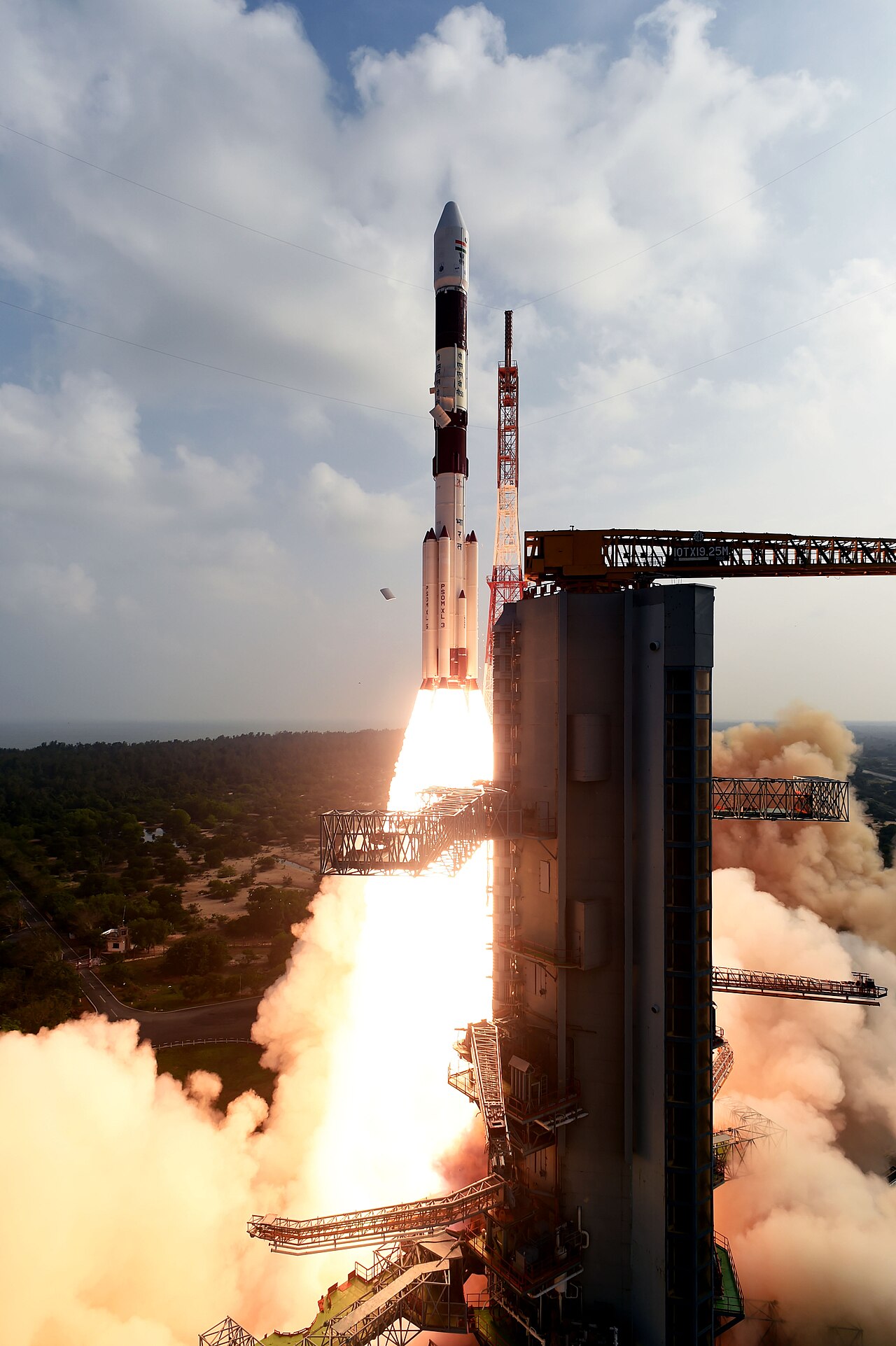
ISRO PSLV rocket lifting off
Photo: Wikimedia Commons contributors (CC BY / CC BY-SA) — full credits

On Oct 1, Google flew its first experimental Project Suncatcher satellite aboard SpaceX's Transporter-18 rideshare from Vandenberg. The refrigerator-sized craft, built with Planet Labs, carries four Google TPUs to test whether AI hardware survives launch, radiation and temperature swings in orbit.

Google has flown its first experimental Project Suncatcher satellite into orbit, launching aboard SpaceX's Transporter-18 rideshare mission from Vandenberg Space Force Base on Oct 1.

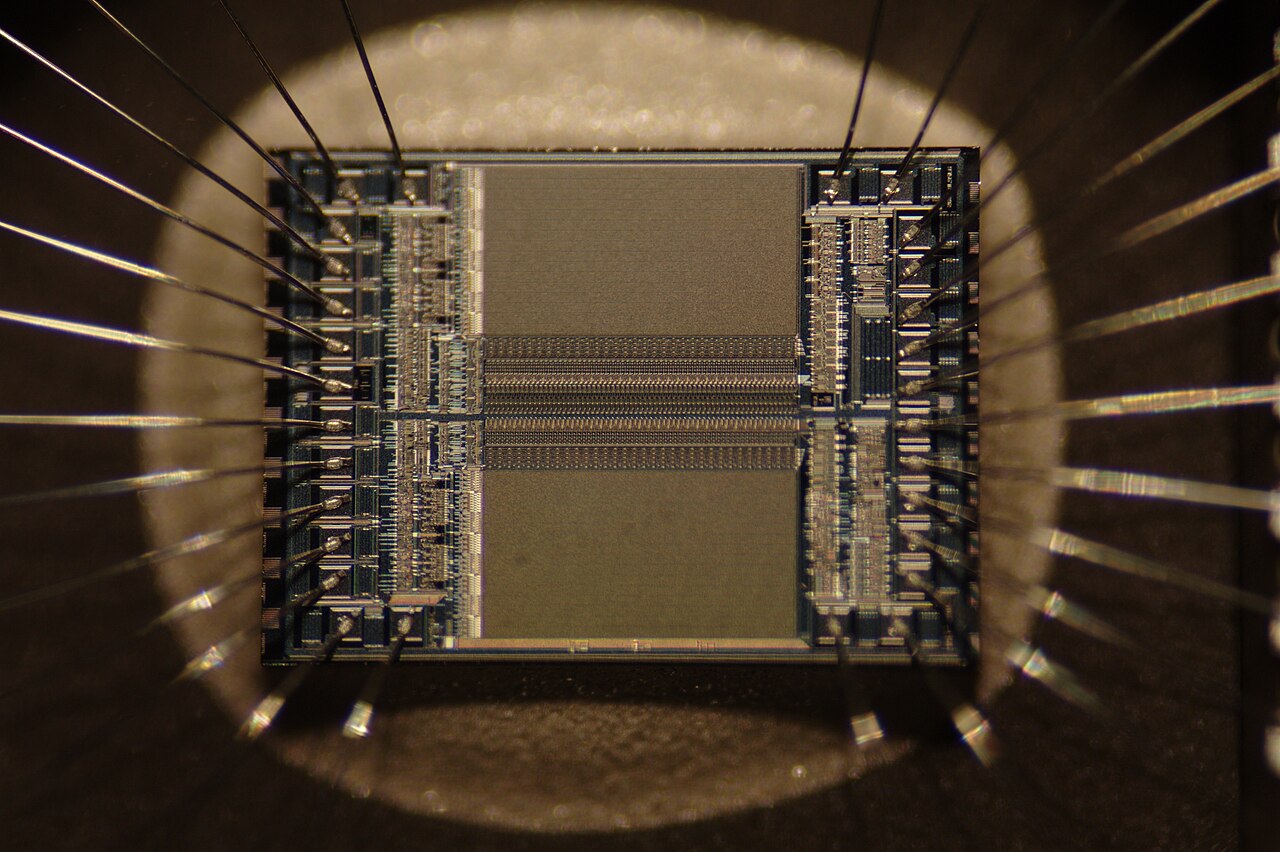
The refrigerator-sized spacecraft, built in partnership with Planet Labs, carries four Google TPUs to test whether AI hardware can survive launch stresses, radiation and temperature swings in space.

The long-term goal is to learn whether AI data centres could operate in orbit, where a solar panel can generate power up to eight times more productively than on Earth.
Originally reported by AIStockWire. Article compiled by the Deccan Age desk.
#Google#Space#AI

Related Stories

More in Sci-Tech →

Never miss a story

Get the morning headlines in your inbox.