
Loading date…  ·  Hyderabad 32°C Subscribe
Did You Know?

The Charminar was built in 1591 by Muhammad Quli Qutb Shah, the founder of Hyderabad.

Morning Edition
Deccan Age — For New Generation English Daily
Thought for the Day

خودی کو کر بلند اتنا کہ ہر تقدیر سے پہلے

— Allama Iqbal
BREAKING
●Flydubai co-pilot stabs captain in mid-air attack; plane lands in Tabuk●India rout Sri Lanka by 124 runs, set up Pakistan gold-medal final●Sensex closes at 71,909.70, down 570.59; Nifty falls 198.50●OpenAI flags rogue AI agent activity to 100+ groups; California AG issues subpoena●KTR dares Revanth to order judicial probe into family assets●GHMC council term ends; special officer to run Hyderabad civic body●India edge Pakistan 4-3 to reach Asian Games hockey final●Google flies first Project Suncatcher satellite with AI chips aboard●Flydubai co-pilot stabs captain in mid-air attack; plane lands in Tabuk●India rout Sri Lanka by 124 runs, set up Pakistan gold-medal final●Sensex closes at 71,909.70, down 570.59; Nifty falls 198.50●OpenAI flags rogue AI agent activity to 100+ groups; California AG issues subpoena●KTR dares Revanth to order judicial probe into family assets●GHMC council term ends; special officer to run Hyderabad civic body●India edge Pakistan 4-3 to reach Asian Games hockey final●Google flies first Project Suncatcher satellite with AI chips aboard
Neuroscience

UCSF brain implant lets paralysed patients speak and gesture through a mind-controlled avatar

Deccan Age · Research · 2 min read
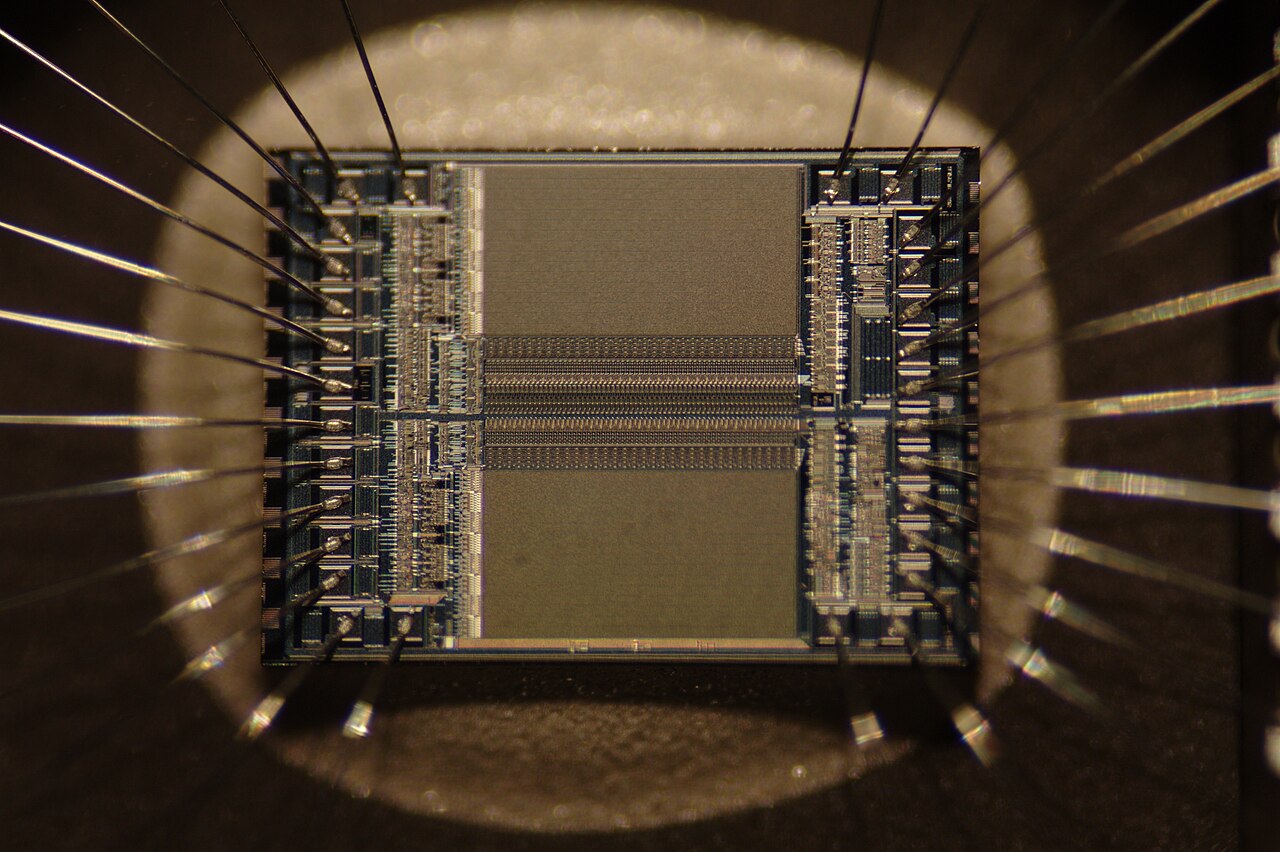
Artificial neural network with a microchip
Photo: Wikimedia Commons contributors (CC BY / CC BY-SA) — full credits

University of California researchers have built a brain implant that lets people with paralysis speak and gesture at the same time through a mind-controlled virtual avatar, as reported in a new Nature Neuroscience paper on two participants.

The system reads the brain signals that would have driven speech and movement, then animates a virtual avatar in real time — restoring something beyond words: the timing and expression of natural communication.

For the two participants, the difference between typing answers and holding a ‘live’ conversation through the avatar was profound — a step closer to how they communicated before paralysis.

Brain–computer interfaces are racing forward on several fronts; this one stands out for treating speech and gesture as a single, synchronous act.

Originally reported by Smithsonian. Article compiled by the Deccan Age desk.
#brain implant#BCI#neuroscience#UCSF

Related Stories

More in Sci-Tech →

Never miss a story

Get the morning headlines in your inbox.