Yeast-and-AI sensor could detect ‘forever chemicals’ with a dipstick

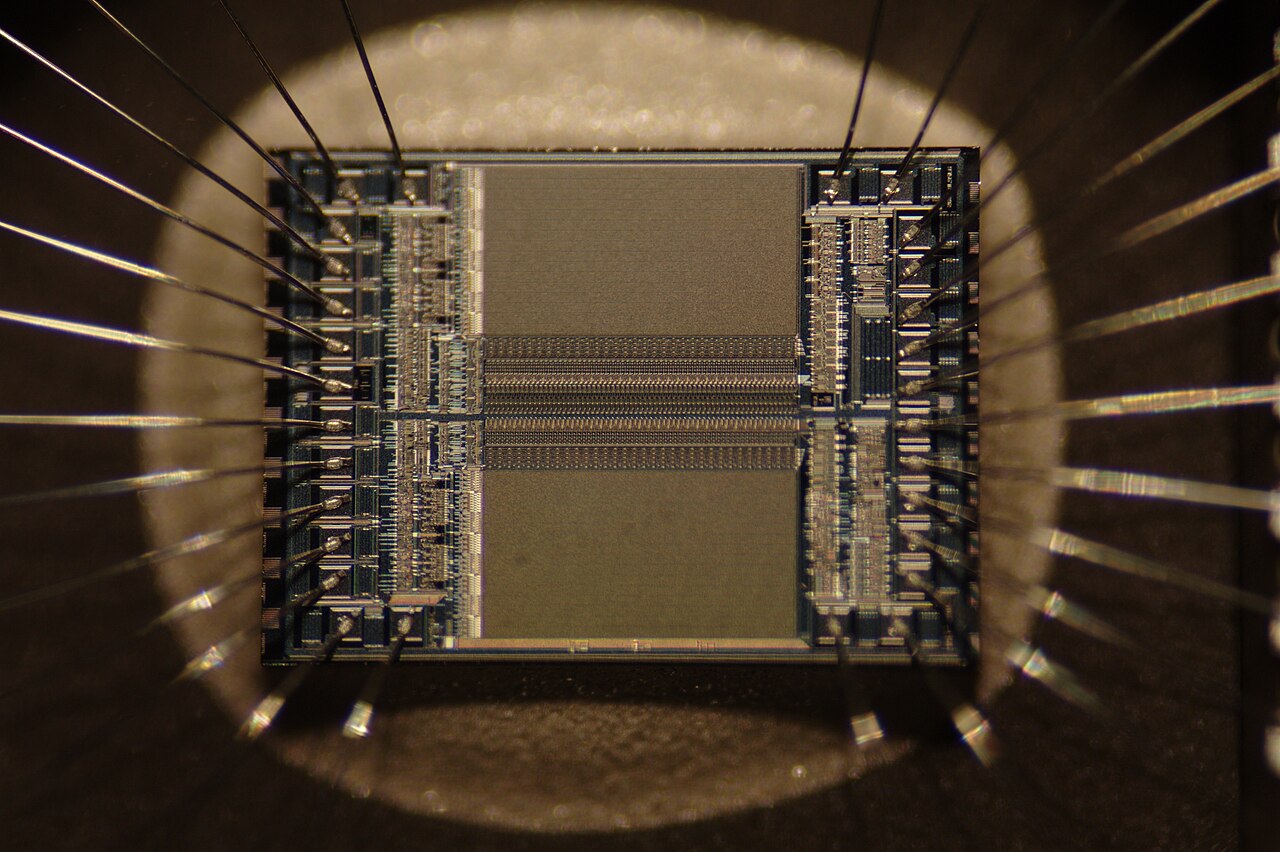
Columbia researchers are developing engineered yeast that fluoresces on contact with PFAS compounds, paired with CMOS sensor chips originally built for brain-computer interfaces — a handheld, low-cost dipstick that reports PFAS concentration in water in real time.
The yeast lights up when it meets the ‘forever chemicals’, and the repurposed brain-interface chips read that glow and convert it into a concentration figure on the spot.
Municipal water systems could save hundreds of thousands of dollars versus lab-based testing, while getting answers in minutes instead of days.
It is still research rather than a product — but it shows how synthetic biology and off-the-shelf chips can combine into tools that were hard to imagine a decade ago.
Originally reported by Phys.org. Article compiled by the Deccan Age desk.